
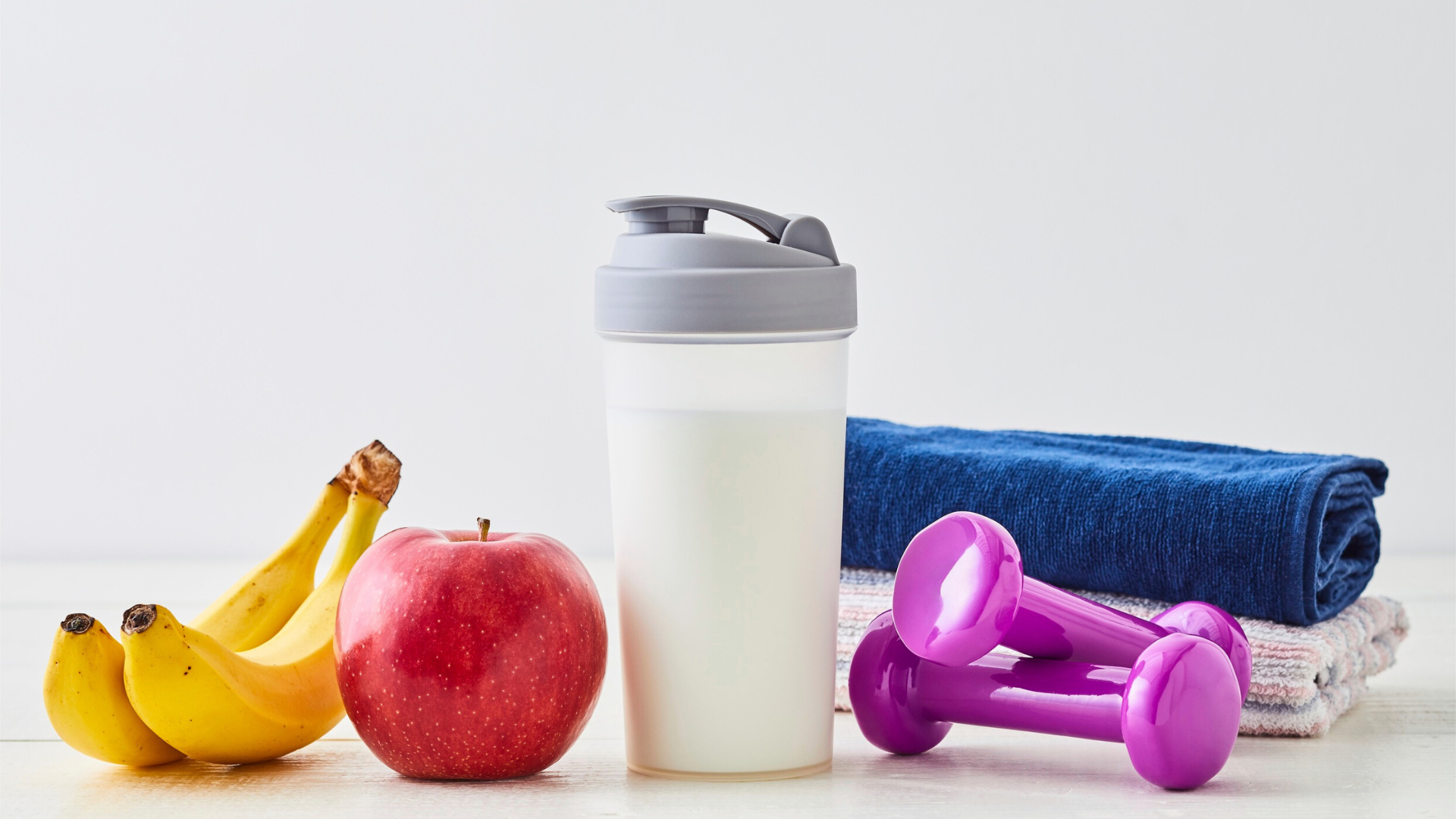

Busy professionals often find it challenging to maintain a fitness routine amid their hectic schedules. Implementing simple and efficient fitness tips can help them incorporate an active lifestyle without sacrificing productivity. It’s possible to prioritize health in a way that seamlessly fits into their daily activities.
One effective approach is to leverage short workout sessions throughout the day. Even a quick 10-minute exercise can boost energy levels and improve concentration. Additionally, making small changes, like opting for stairs instead of elevators or taking short walking breaks, can significantly enhance their overall activity levels.
Nutrition plays a crucial role as well. Preparing healthy meals in advance allows busy individuals to avoid unhealthy choices when time is tight. Prioritizing both fitness and balanced nutrition can lead busy professionals to achieve their health goals without feeling overwhelmed.
Effective Planning for Fitness Success
Effective planning is essential for busy professionals aiming to incorporate fitness into their hectic schedules. By setting realistic goals and utilizing helpful tools like fitness apps, they can create structured workout plans that fit seamlessly into their daily routines.
Setting Realistic Health and Fitness Goals
When setting health and fitness goals, it is crucial to ensure they are achievable. Start with SMART criteria: Specific, Measurable, Achievable, Relevant, and Time-bound.
For example, instead of aiming to “get fit,” a realistic goal would be to complete a 30-minute workout three times a week for two months.
This approach provides clarity and helps track progress while fostering motivation through small wins.
Incorporating Fitness Apps into Your Routine
Fitness apps can be powerful aids for busy professionals. They offer workout plans, progress tracking, and reminders to stay on track.
Some popular options include:
- MyFitnessPal: Tracks nutrition and exercise.
- Nike Training Club: This offers various workouts tailored to different fitness levels.
- FitOn: Provides free workout classes with social features.
Utilizing these tools allows for easy adjustments to fitness routines, enabling the user to maximize their time.
Strategic Workout Planning
Strategic planning of workouts involves choosing the right times and methods for exercising. For busy professionals, planning workouts during breaks, early mornings, or evenings can increase consistency.
A sample weekly workout plan may look like this:
| Day | Activity | Duration |
| Monday | Strength Training | 30 mins |
| Wednesday | Cardio (Running) | 30 mins |
| Friday | Yoga or Stretching | 30 mins |
By having a clearly defined workout schedule, individuals can create a fitness routine that fits their lifestyle while promoting physical and mental well-being.
Optimizing Workouts for Busy Schedules
Finding time to exercise in a busy professional life can be challenging. Incorporating effective strategies can help maximize workout efficiency, making it easier to commit to fitness.
Harnessing High-Intensity Interval Training (HIIT)
HIIT is a great solution for those short on time. This training method combines short bursts of intense activity with rest or low-intensity periods.
A typical HIIT session can last anywhere from 15 to 30 minutes, yet still offer effective calorie burn and cardiovascular benefits.
For instance, a workout might include 30 seconds of maximum effort squats followed by a 30-second rest, repeating for several rounds.
The efficiency of HIIT makes it ideal for busy professionals aiming to get the most out of limited workout time while also improving overall fitness levels.
Micro Workouts for Maximum Impact
Micro workouts consist of brief exercise sessions, often lasting only 5 to 10 minutes, that can fit into any schedule.
These short bursts of exercise can be done multiple times throughout the day.
For example, a busy professional could perform a set of lunges during a break or a few minutes of quick stretches after a meeting.
Even just a couple of minutes of movement can enhance energy levels and improve focus.
This approach ensures that fitness becomes a part of daily life without requiring significant time commitments.
Utilizing Bodyweight and Resistance Band Exercises
Bodyweight exercises are versatile and require no equipment, making them ideal for anyone with a hectic schedule.
Squats, push-ups, and planks can be performed anywhere, whether in a gym, office, or at home.
Incorporating resistance bands adds additional challenge and variety to workouts while remaining convenient.
Exercises like banded rows or resistance band squats can effectively target multiple muscle groups.
By focusing on compound exercises—movements that engage several muscle groups—professionals maximize their workout impact in less time.
Creating an Environment Conducive to Physical Fitness
Establishing a supportive environment for fitness at work involves implementing active work strategies, equipping oneself with the proper workout gear, and embracing meal prepping for healthier eating habits. These components play a vital role in maintaining physical fitness amidst a busy schedule.
Implementing Active Workday Strategies
Incorporating movement into the workday can significantly enhance overall fitness. Simple changes, such as taking the stairs instead of the elevator, can increase daily activity levels.
Walking meetings are another effective strategy; they promote discussion while encouraging physical movement.
For those with sedentary jobs, using a standing desk can reduce prolonged sitting.
Encouraging desk exercises, like stretching or using resistance bands, can also break up hours of inactivity.
Combining these methods can lead to a healthier work environment.
Outfitting with the Right Workout Gear
Investing in quality workout gear can motivate consistent physical activity. Comfortable, breathable clothing is essential for both workout sessions and active work days.
Individuals might consider keeping gym shoes at the office, which enables quick transitions to exercise.
Additionally, having a small fitness kit with resistance bands or weights on hand can make it easier to integrate fitness into the daily routine.
The right gear not only enhances performance but also boosts confidence when engaging in physical activities.
Embracing Meal Prepping for Nutritional Support
Meal prepping is a strategic way to maintain healthy eating habits, especially for busy professionals. Planning meals in advance allows individuals to control portion sizes and ingredients.
Preparing items like brown rice, grilled chicken, and roasted vegetables in bulk saves time and ensures nutritional value.
Stocking up on healthy snacks, such as nuts, yogurt, and fruits, keeps energy levels stable throughout the day.
Staying properly hydrated is equally crucial; keeping a water bottle at the desk can encourage regular hydration.
These practices can combat unhealthy eating and support fitness goals amidst a busy lifestyle.
Recovery, Flexibility, and Holistic Health
Focusing on recovery and flexibility is essential for busy professionals to enhance their overall well-being. Adequate rest, dynamic stretching, and building core strength can improve posture, support cardiovascular health, and foster a balanced body and mind.
Prioritizing Quality Sleep and Downtime
Quality sleep is fundamental for physical and mental recovery. Professionals should aim for 7-9 hours of restful sleep each night. Establishing a consistent sleep schedule helps regulate circadian rhythms.
Creating a relaxing bedtime routine can include activities like reading or meditation. He or she should also limit screen time before bed, as blue light can disrupt sleep patterns.
Incorporating short breaks during the day alleviates stress and enhances focus. Techniques such as deep breathing or a brief walk can boost endorphin levels, fostering confidence and productivity.
Incorporating Stretching and Yoga Practices
Dynamic stretching and yoga significantly improve flexibility and posture. Professionals can benefit from incorporating even 10-15 minutes of stretching into their daily routine. This can help in preventing muscle tightness and improving overall mobility.
Yoga, in particular, provides a holistic approach that connects body and mind. Regular practice can reduce stress levels and cultivate a sense of calm.
Various online resources and fitness community programs allow busy individuals to follow guided sessions. Tracking progress in flexibility can serve as a powerful motivator, creating a rewarding feedback loop.
Maintaining Cardiovascular and Core Strength
Cardiovascular exercises improve heart health and endurance. Professionals should aim for at least 150 minutes of moderate-intensity cardio each week. Activities such as brisk walking, cycling, or swimming are effective choices.
Core strengthening is equally vital, providing stability and improving posture. Incorporating exercises like planks and bridges can enhance core muscle strength and overall functionality.
Balancing cardio and core workouts can be done efficiently with short, high-intensity interval training (HIIT) sessions. These sessions maximize rewards in a limited timeframe and can be easily integrated into a busy schedule.